Institutional History

Illustration of a tree whose branches and roots merge with a human profile, symbolizing growth and care.

From Traditional Roots To Modern Minds

This institute formerly known as ‘Basanta Ayurveda Bhawan’ has a long history of curing the ailing for nearly a century. What began in 1926 as a pioneering center for Ayurvedic medicine has evolved through three generations into a comprehensive practice dedicated to the holistic well-being of the individual. By bridging the ‘age-old wisdom’ of the Ayurveda with modern psychological science, we continue to honor a legacy that views health not merely as the absence of disease, but as a perfect balance of mind, body, and spirit.

A Legacy Of Healing And Compassion

The journey of our institute is deeply rooted in the visionary work of Kaviraj Sri Manoranjan Pakrashi, who established this center in honor of his father, Dr. Sri Basanta Pakrashi. Guided by a singular, noble vision—to provide high-quality care to the poor and needy—he laid a foundation of healing and compassion that continues to guide us across four generations of dedicated service.

Four daisies in stages of bloom from bud to open flower, representing four generations of care.

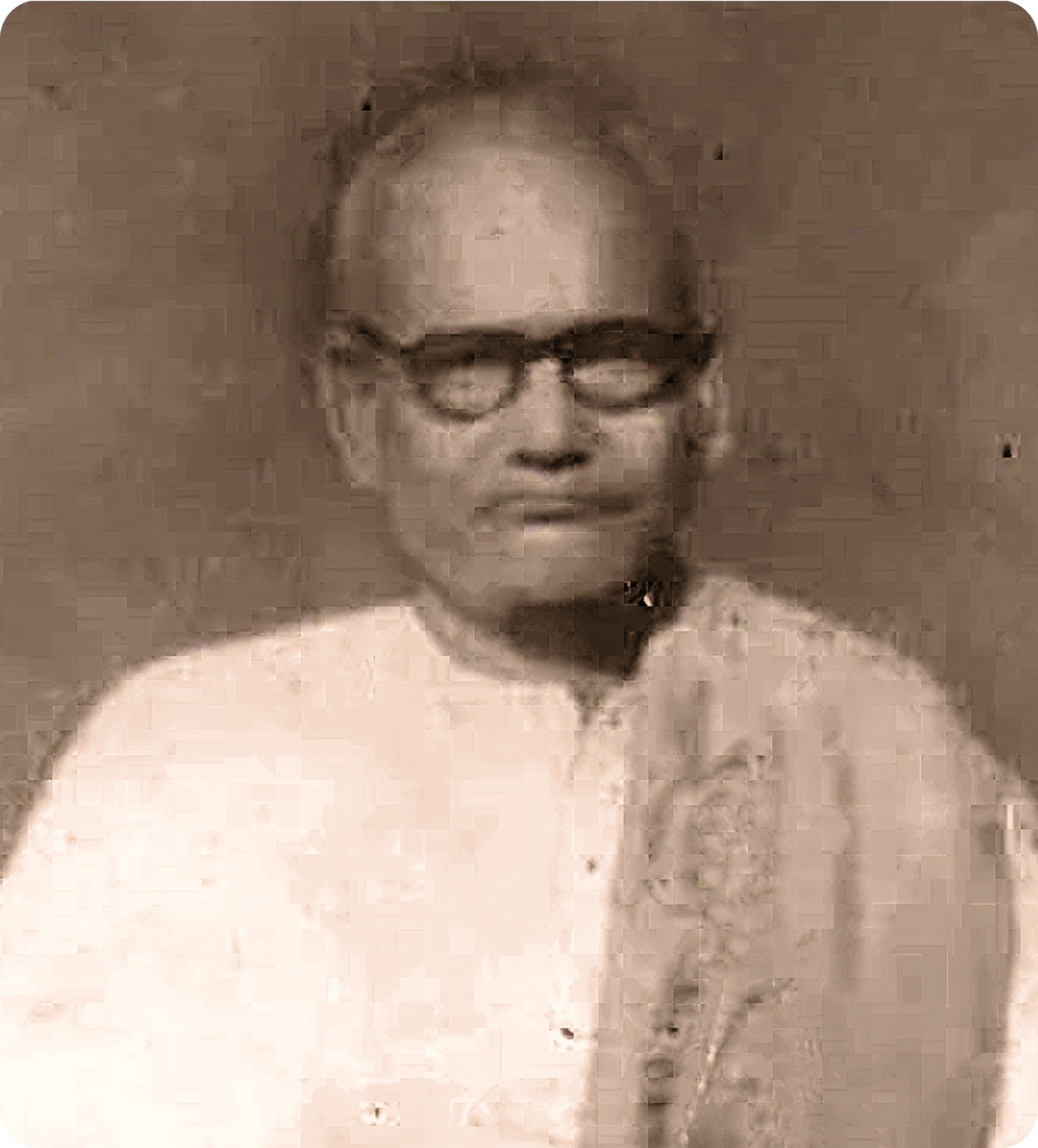
Kaviraj Sri Manoranjan Pakrashi

(1905 – 1969)

Born on November 23, 1905, in Kishoreganj, present-day Bangladesh, Kaviraj Sri Manoranjan Pakrashi (1905–1969) was a visionary Ayurvedic physician, philanthropist, and dedicated Indian freedom fighter. After a brilliant result in ‘Matriculation’, he came to Kolkata in the year 1922 to study medicine with a dream of becoming a doctor just like his father Dr. Sri Basanta Pakrashi, who was a renowned physician practicing in Kishoreganj. Deeply moved and influenced by the ‘Swadeshi Movement’ of Gandhiji, he took admission to study swadeshi traditional treatment ‘Ayurveda’ in ‘Kolikata Vaidyashastrapith’, refusing the opportunity to get admitted in ‘Calcutta Medical College’. While studying he supported himself by working as an associate priest in the Shobhabazar Rajbari and after a long struggling endeavour he was able to accomplish his dream. He founded this institution in 1926 in the name of his father as ‘Basanta Ayurved Bhawan’ and started practicing here. Apart from being a renowned physician, he was a visionary in the scientific research of developing newer kinds of medications from the old scriptures of ayurveda in his personal laboratory. Besides the treatment of regular illness his excellence was in the newer kind of successful treatment of ‘Chickenpox’ and researches on the healing effects of snake venom in several terminal illnesses. The poor and needy got a lot of attention from this philanthropist for whom the Hippocratic oath remained uninfluenced by money and materialism. The place was more like a charitable organization beyond just health care.

He was a ‘Karmayogi’ in the true sense and also had a huge contribution to the freedom fights in the history of Indian independence. He was in constant touch with the leading freedom fighters of Bengal including personalities like Deshbandhu Chittaranjan Das, Netaji Subhas Chandra Bose, Hemanta Basu, Trailakya Maharaj, Dada Thakur and others. In 1934, after the devastating earthquake in Munger, Bihar, Netaji Subhas Chandra Bose led a rescue operation where he was one of the doctors in his medical team. He had the opportunity to be closely associated with the legend, Netaji himself. He had been providing all kinds of support secretly for years to the freedom fighters in their revolutionary path. The place thus has a tremendous historical significance as it was a meeting point as well as shelter for several renowned freedom fighters of that era. The great life came to an end on 12th May, 1969 in Kolkata.

Portrait of Kaviraj Sri Manoranjan Pakrashi

As the Founder Director of the institution, Kaviraj Sri Manoranjan Pakrashi was a distinguished physician and a visionary leader possessed of a profound philanthropic spirit. His medical excellence was most notably demonstrated through his development of an innovative and successful treatment for chickenpox, marking a significant advancement in the field. Furthermore, he initiated path-breaking research into the therapeutic applications of snake venom for various terminal illnesses—a pioneering scientific endeavor that was subsequently carried forward and expanded upon by his son.

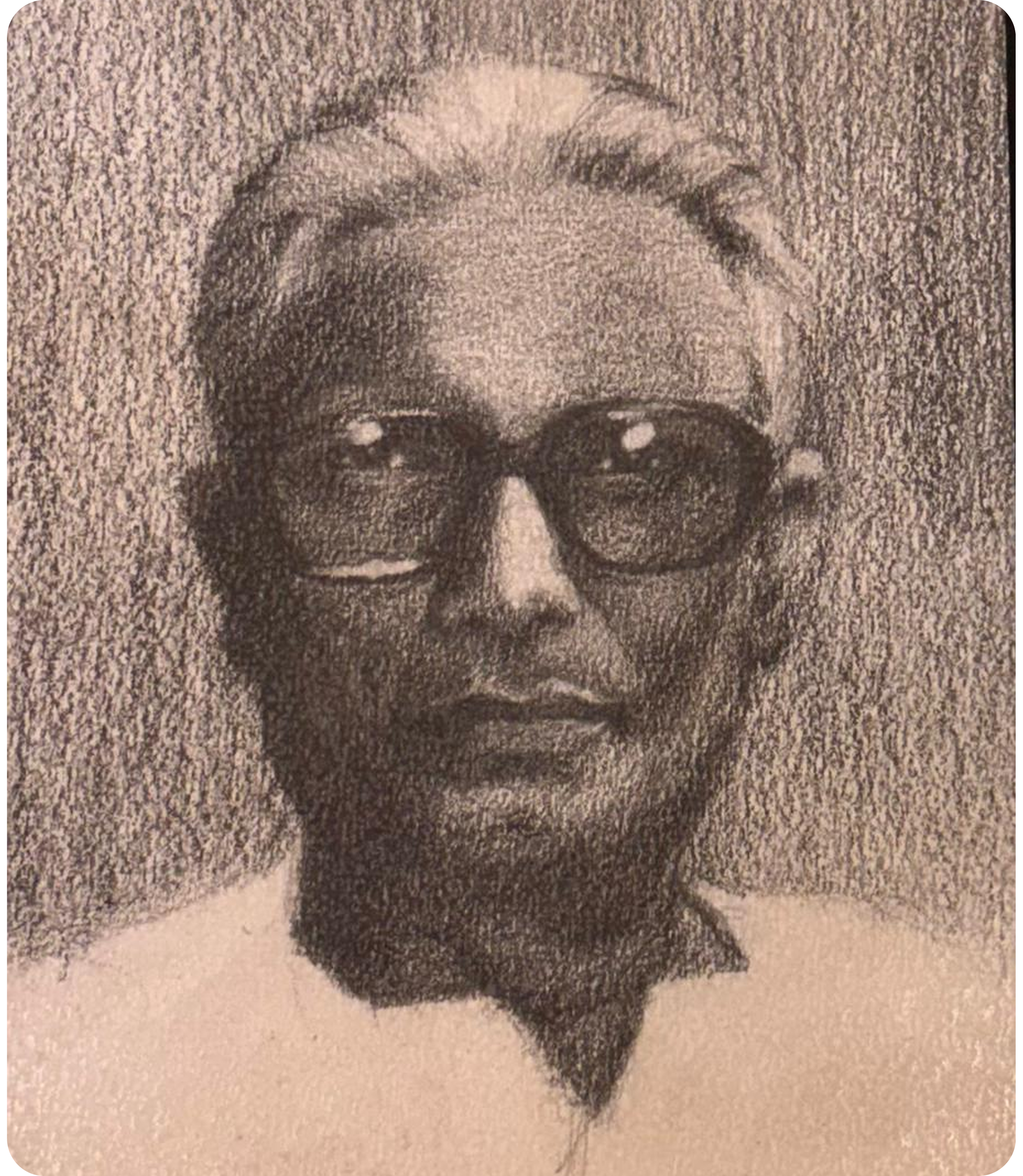
Kaviraj Sri Ramakanta Pakrashi

(1933 – 2019)

The institution’s noble legacy was carried forward by the founder’s eldest son, Kaviraj Sri Ramakanta Pakrashi (1933–2019), who was born in Kolkata on November 5, 1933, and dedicated over sixty years to the service of his patients after beginning his clinical practice in 1957 under his father’s expert guidance. Throughout an illustrious career as both a physician and researcher, he scaled new heights in medical research and treatment protocols, earning the highest formal qualification in traditional medicine, the Ayurved State Faculty (ASF), from the Paschimbanga Ayurved Parishad. Among his many profound contributions to Ayurvedic research, he developed path-breaking medicines that continue to be utilized by his successors today, most notably refining the preparation of medicine derived from black cobra venom within the institute’s laboratory—a continuation of his father’s visionary work that received immense appreciation for successfully treating chronic and incurable illnesses, including advanced pain management for cancer.

So deeply committed was he to his research and clinical trials that he remained indifferent to the pursuit of patents or foreign journal publications, focusing instead on the immediate healing of those in his care, including patients with serious burn injuries who regained their natural skin texture through his non-invasive protocols. Consequently, the institute became a beacon of last resort for patients with treatment-resistant conditions from across the country, evolving into a pivotal healthcare hub that garnered global attention while remaining a source of hope for the poor and underprivileged through the same philanthropic principles followed by his father. His influence further extended into academia and community service as a visiting physician and guest lecturer at three renowned Ayurvedic colleges in Kolkata, a prominent figure at national conferences, and a leader of local health awareness campaigns. Drawing from six decades of experience, he firmly believed that the human mind plays a critical role in physical recovery, advocating for a holistic approach to health based on the direct interconnection between immunity, neurological functions, and the human thought process until his vibrant life of service came to an end on September 18, 2019, leaving a profound impact on the history of traditional Indian medicine.

Portrait sketch of Kaviraj Sri Ramakanta Pakrashi

Kaviraj Sri Ramakanta Pakrashi, the former director of this organization, was attached to three different reputed Ayurvedic Colleges and Hospitals in Kolkata as a visiting physician and guest lecturer, while his famous research work on the medicinal value of the venom of the black cobra snake received enormous appreciation for the successful treatment of various chronic and incurable illnesses, including the pain management treatment of cancer.